
If you’ve never heard of the bullet journal method, you’ve managed to miss a huge community online – on blogs, youtube, facebook, instagram and who knows what else. A bullet journal is basically a diary, but it’s one that is super customisable and easy to keep track of various things.
Know your planner needs
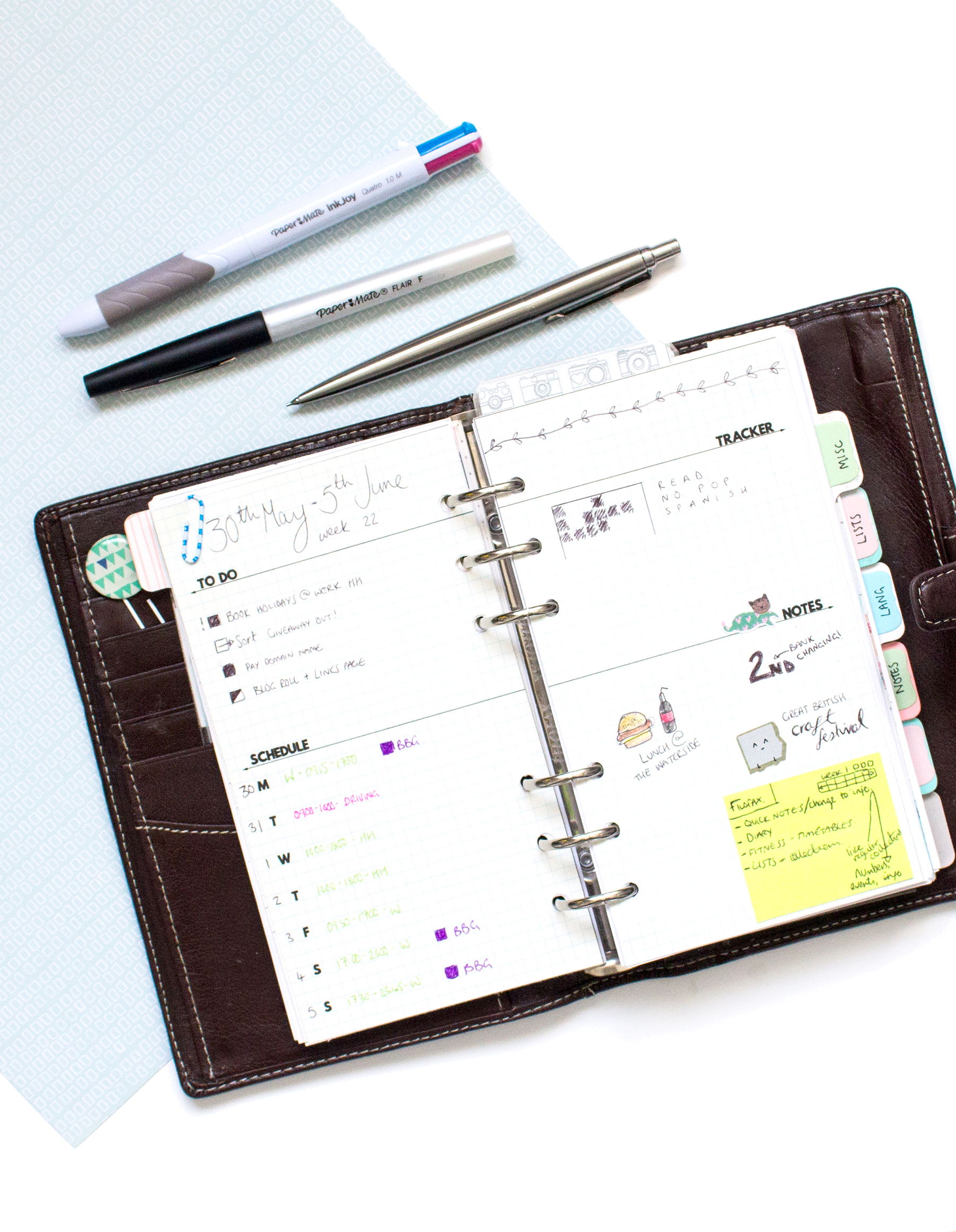
I think I first starting reading/writing about bullet journals way back in 2014, and whilst I loved the concept, the notebook style just wasn’t for me. I didn’t want to feel trapped in a notebook where I couldn’t move anything around. I’ve been a firm planner addict since before even this, so I started to combine the bullet journal method with filofax, and eventually moving through other planner styles.
If you don’t know too much about this way of planning, you can even grab the Bullet Journal Method book by Ryder Carroll
Using the bullet journal method key
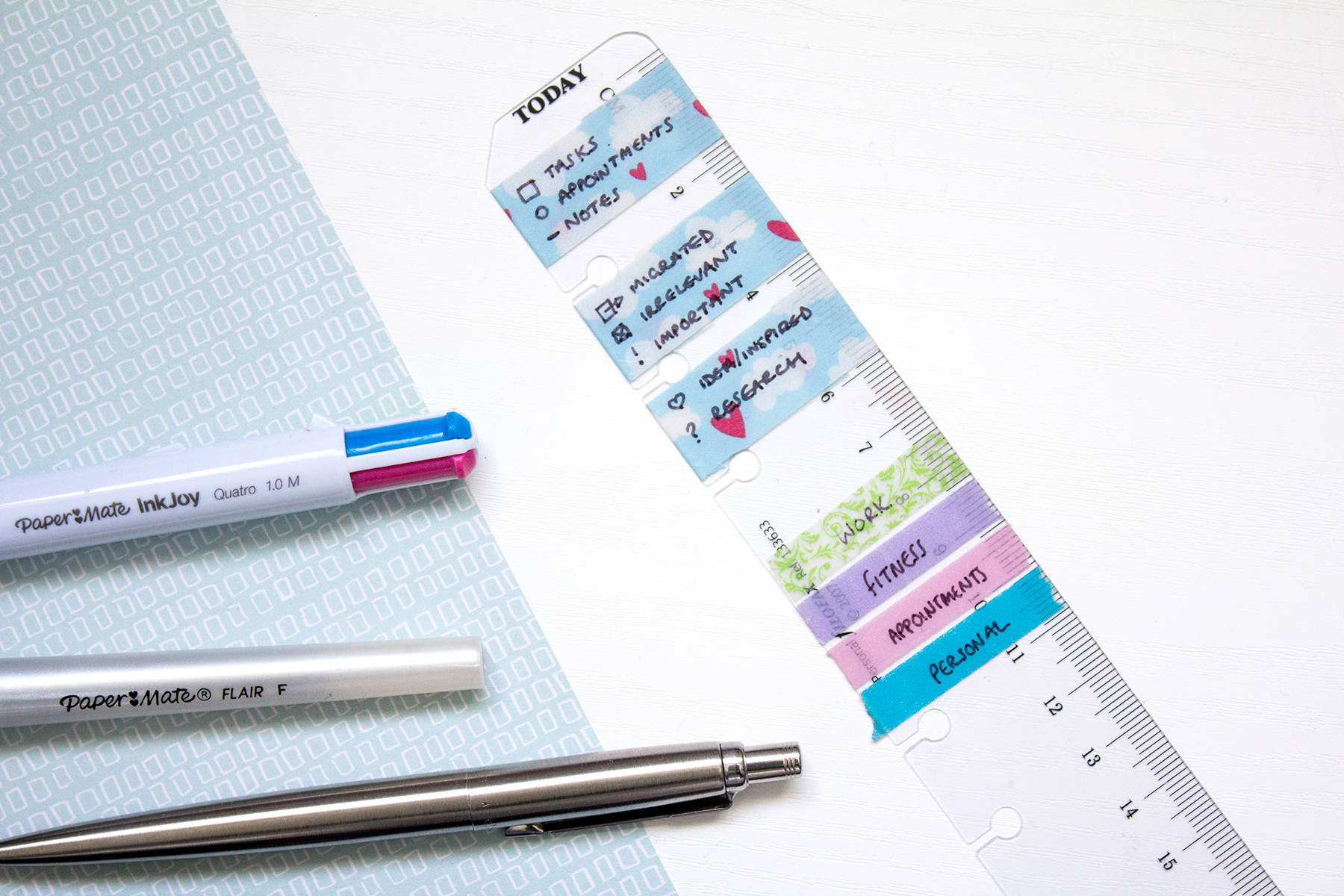
If you look on his bullet journal website, you can see that Ryder Carroll very much likes using symbols to help with your planning notes. A symbol for tasks, events, notes, important reminders and the like. Even for when you need to move a task to a new day.
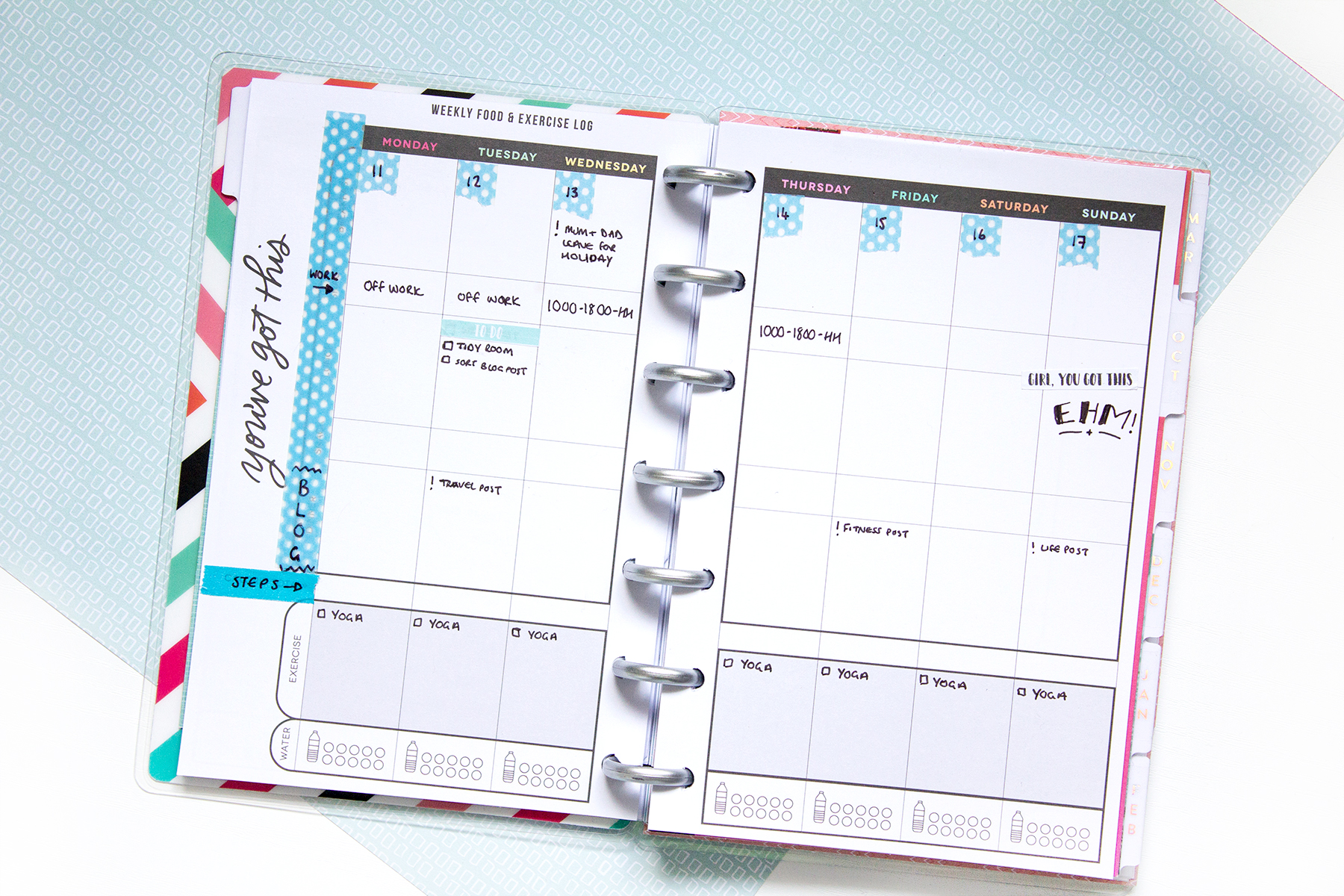
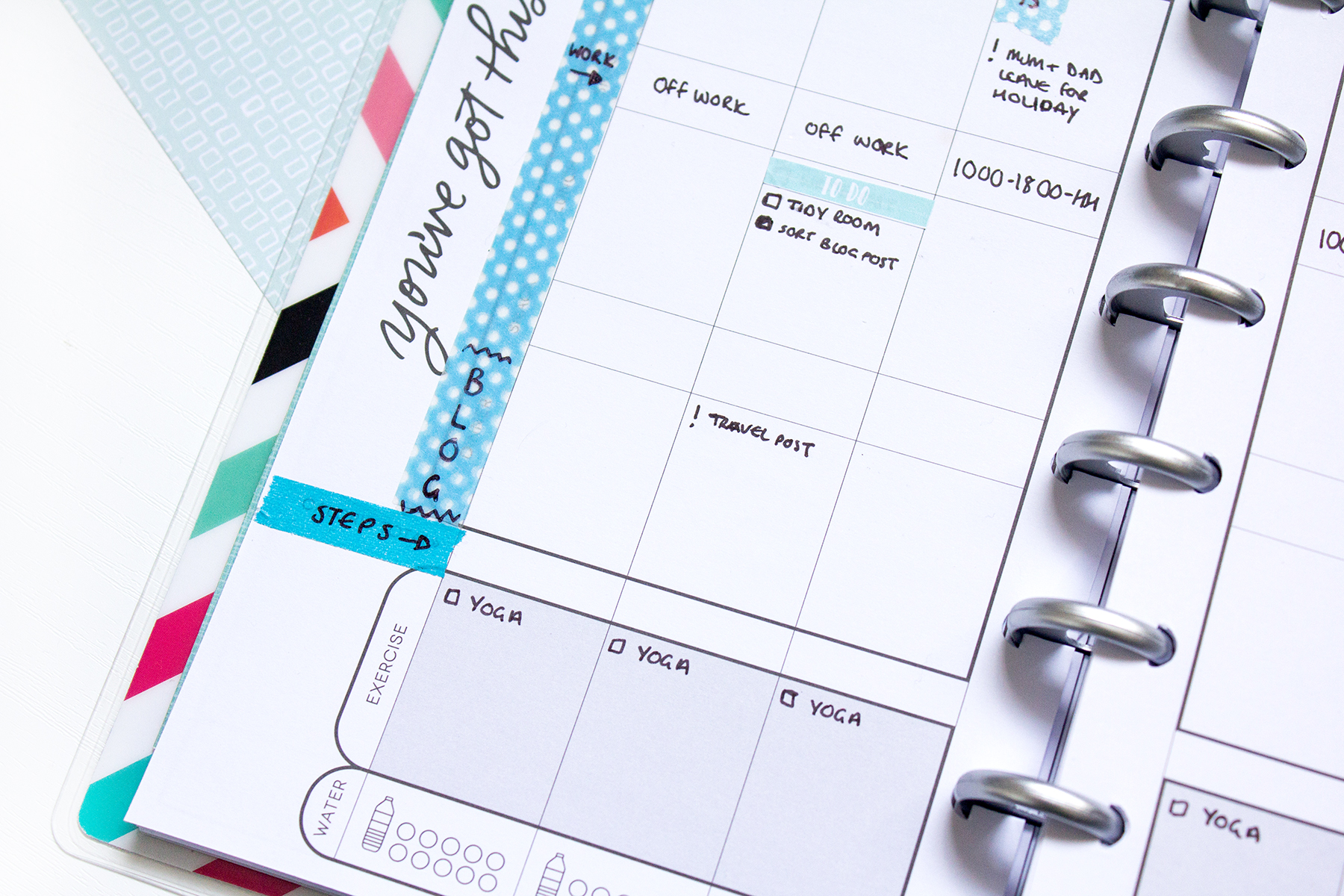
In my Filofax, I very much stuck to this idea. I created my own key, staying quite similar to the original. My check boxes for tasks, circle bullets for appointments and notes with a dash. I half colour in the check boxes for any task that is half done, or started.
There are also ‘extra information’ symbols. A check box with an arrow means that task has been moved to another day, and one with a cross in it is not relevant any more. An exclamation mark is used for important details, a heart is used to show ideas or inspiration and a question mark used to show something that needs more research. These things aren’t everyday symbols, but they are there just in case a simple check box, circle or dash isn’t enough information.
You’ll notice that there’s also a colour code: green for work, purple for fitness, pink for appointments/reminders and blue for personal. It’s really simple and it means that, at a glance, you can see what type of information is written down. Sticky notes will occasionally be used, but they’re not something I carry with me at all times. It might be for you!
Create Pages, Lists, And Much More
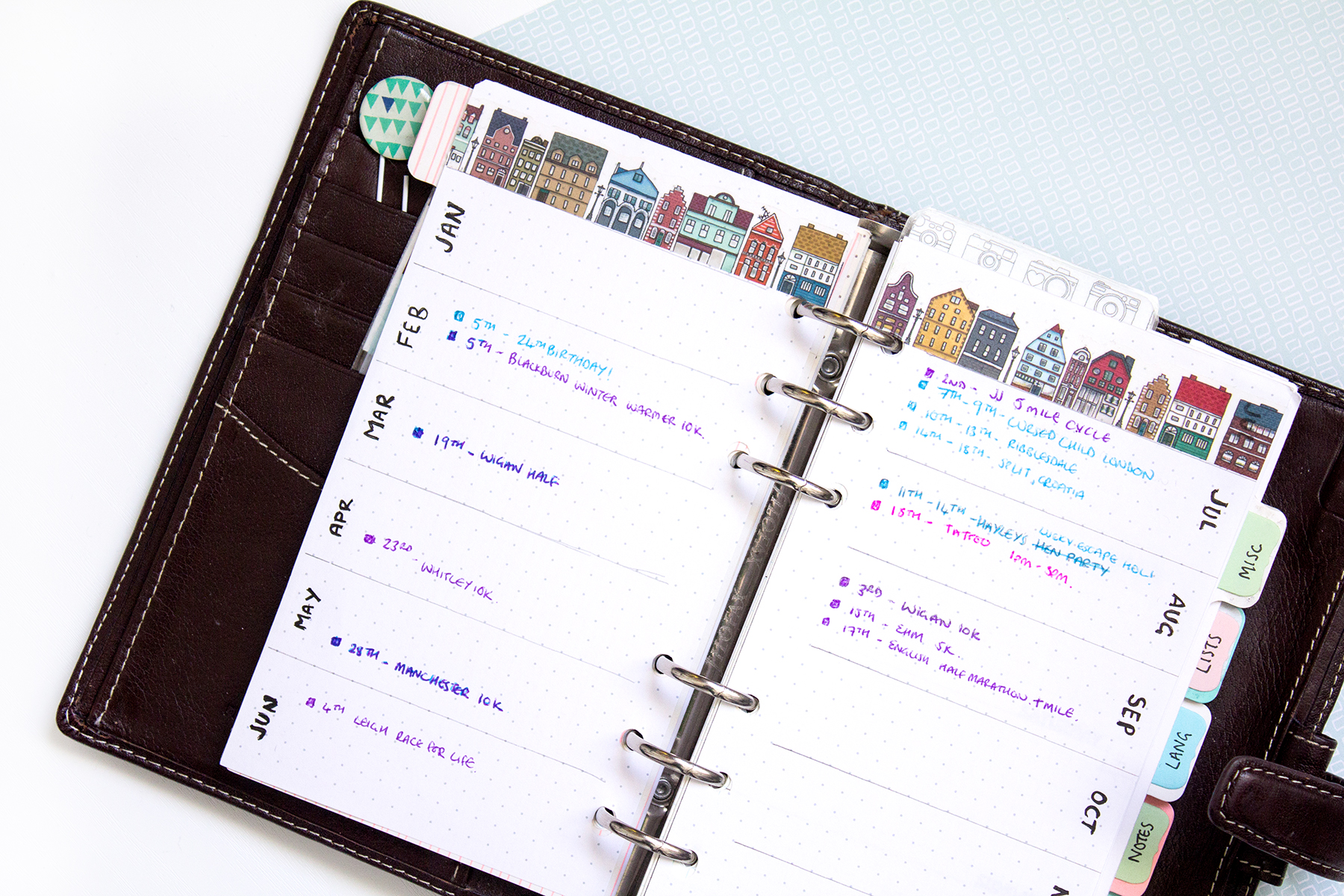
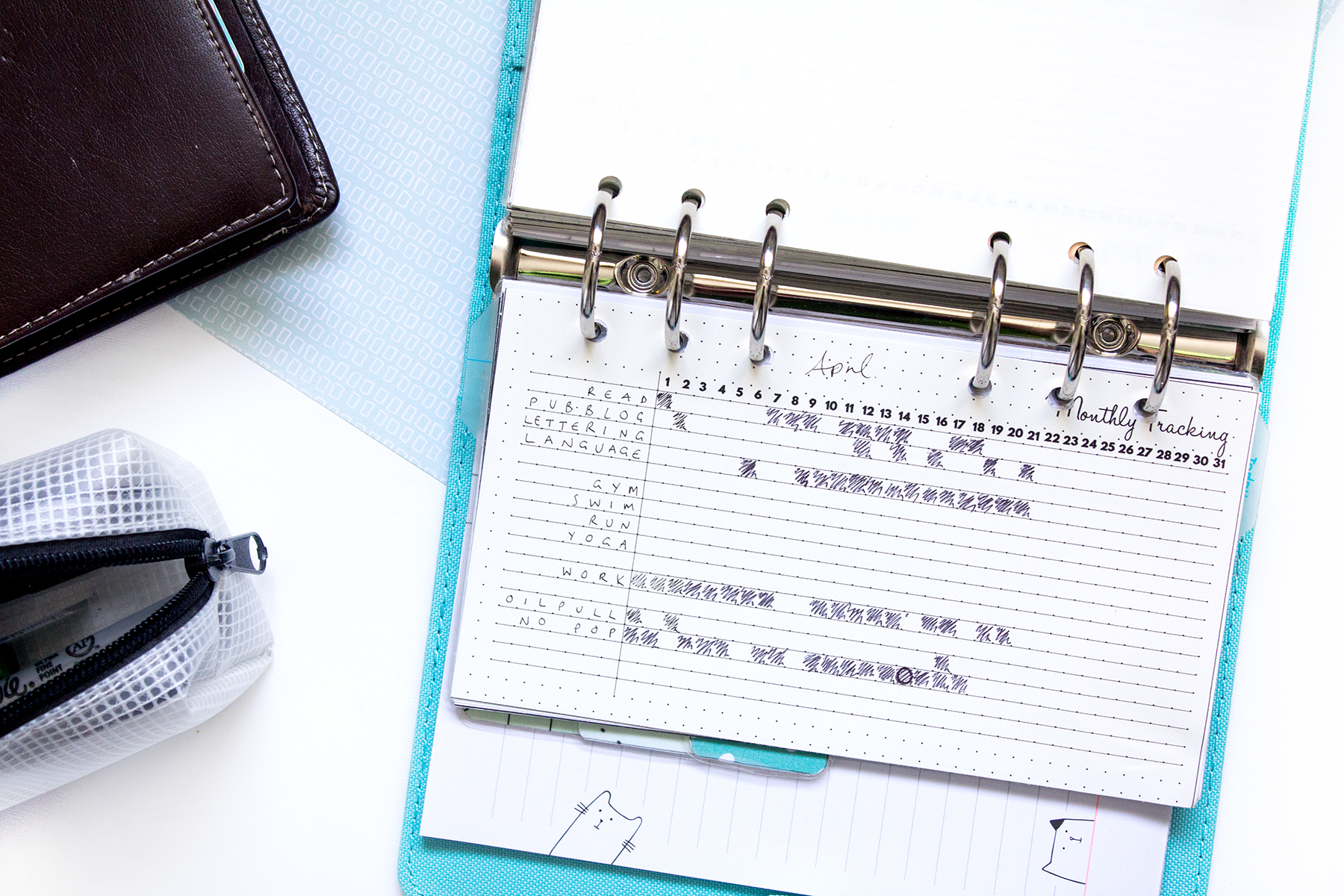
Within bullet journals, quite a lot of people will create pages such as habit trackers, list pages, pages to track stats and much more. These would usually be mixed within the main diary pages if using the notebook bullet journal method. When using a planner, you can insert these wherever you’d like – and move them around too!
Habit trackers are a big concept, and you can see that I’ve tried having it mixed in with my weekly pages, and with it’s own page. Admittedly for me, these trackers are not something I can keep up with, but it’s very easy to include them in your planners if it helps you.
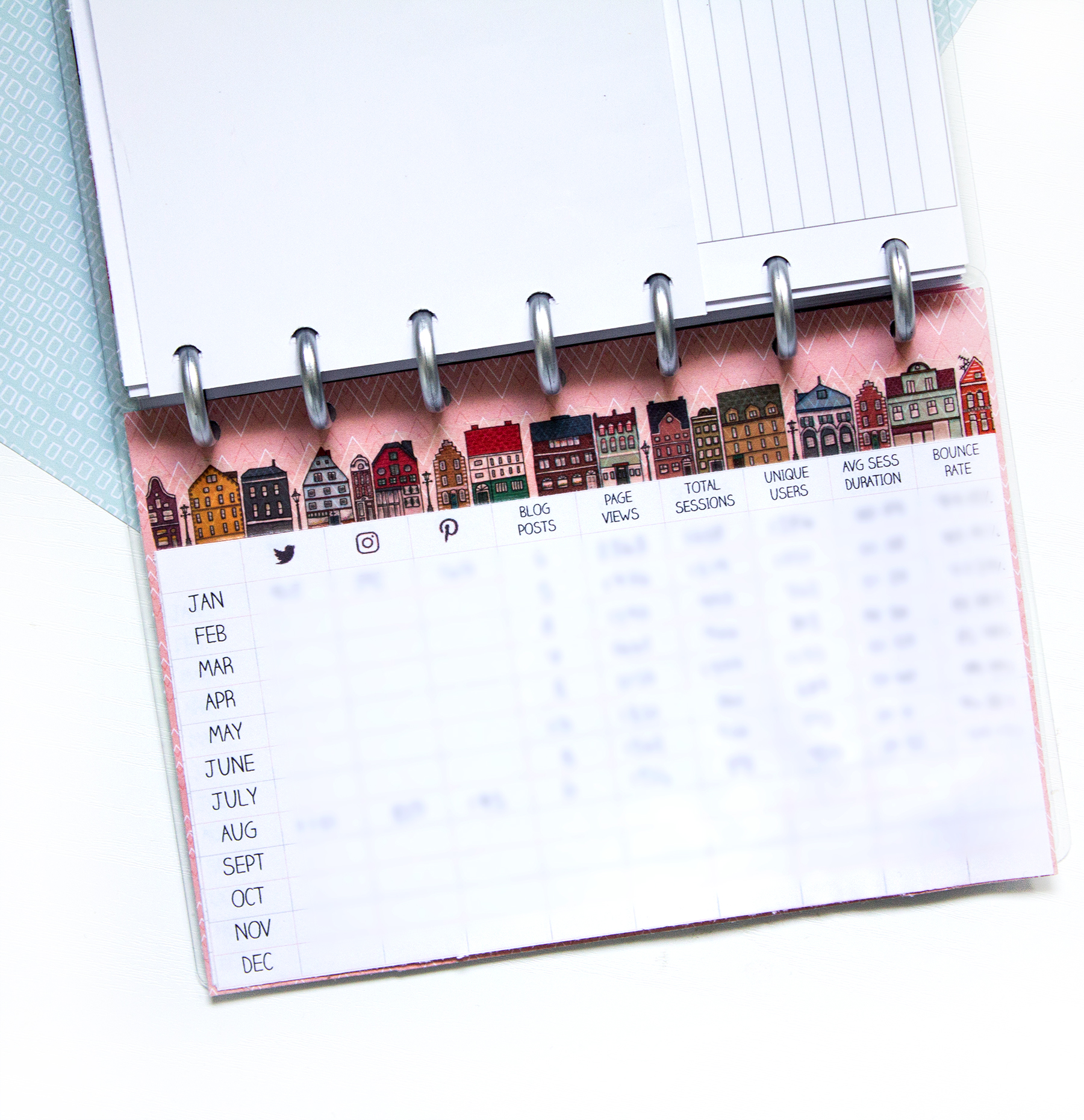
I also created dates pages, my own calendars, blog stats pages and the like to help me with my planning. Some people track meditation, drinking enough water, not spending, exercise done – you can do all sorts here. With the option to add/remove these pages whenever you like, you can try so many different things.
Read more: How to Use the Passion Planner Daily as a Travel Journal
Find the planner that works for you
You can use this bullet journal method in anything at all. It doesn’t matter whether your planner has rings, is glue bound, has discs or is even just a memo pad style desk planner. The main concept of bulleting your tasks is adaptable to any kind of planner.
I’ve used Filofax, I’ve used the Happy Planner and my current planner is the Passion Planner. The beauty of the bullet journal method is that I can utilise the bullet key, migrate tasks, create stats pages and whatnot without having to do full designs every week.


A friend of mine got into bullet journalling last week. I haven’t tried it yet, but I love the idea.
xx Izzy | Qthee
It’s definitely a useful system if you can keep up with it! (:
I absolutely love that little habit tracker, definitely want to convert it slightly to use with my Filofax! :) xxx
Sarah / Sarah Smiles
Good suggestions . I am thankful for the information . Does someone know if my assistant might be able to grab a blank a form version to complete ?
Ooooh, I love Bullet Journalling but I never ever would have thought of combining it with a Filofax… I have one in my drawer, time to dust it off and give it a go. :)
It is a really good system to help keep things organised, hope it does help!
I actually adore this! It looks super cute but really organised and fun too! You may have just converted me to bullet journalling after all.
Ah hope it helps you! You really can make it fit you.
Love this post. I’ve not gone on will bullet journaling and I think it’s because having a completely blank page is just too intimidating. Great for lists yes but daily or weekly planning – I’d much prefer to use bullet journaling techniques in a planner with those layouts already!
Blank pages really can be intimidating!
I’ve recently started bullet journaling. I’ve never seen it done in a filofax before though. What a lovely idea.
I started a bullet journal in April and I love it, I’m using a notebook and it works well for me, although I do love my filofax and it’s been neglected… combining the two is an interesting approach. Like you, I like the flexibility of moving things around! Hmmm, you’ve got me thinking :)
I’ve been on the market for a new planner & bullet journeling has always intrigued me, but I really wanted the freedom of being able to move pages around.
This is a PERFECT hybrid for me!!
The pages you use with the Filofax, where do you get them? I’m having a hard time finding the bullet pages that fit.
It definitely gives the best of both worlds! I made these myself because I couldn’t find anything I wanted!